Advocates stress using lessons learned from AIDS crisis in monkeypox vaccine guidelines
The Sacramento County Department of Public Health has expanded recommendations for who should get vaccinated against monkeypox as more cases were reported this week. The California Department of Public Health reported 250 cases, 14 of those in Sacramento.Dr. Olivia Kasirye, public health officer for the county, believes this is the beginning of a new phase where more community spread will occur. While monkeypox has been around since 1958 and is much less contagious than COVID-19, many of the recent cases reported by CDPH this year have occurred among persons self-identifying as men who have sex with men.The initial allocation of monkeypox vaccines in Sacramento County only allowed vaccination to those who were identified as exposed, but after receiving 1,000 vaccinations, availability was expanded through vaccination clinics at different locations to people who may be at higher risk.The monkeypox vaccine that is being administered by Sacramento County public health includes two doses of JYNNEOS 28 days apart.Below are the eligibility guidelines to receive the vaccine.Men who have sex with men ( MSM) and/or Transgender individuals who meet at least one of the following criteria: Have tested positive for an STI in the past two months. Had 2+ sex ual partners in the last 3 weeks.Attended or work at a commercial sex venue in the last 3 weeks.Had anonymous sex in the past 3 weeks.Engaged in transactional sex (sex work) in the past 3 weeks.If you believe that you meet the criteria and you live in Sacramento County you can sign up for a vaccine through the county’s website.As outreach increases for the LGBTQ+ community, advocates say monkeypox is not a gay disease and are warning against repeating the missteps of the AIDS and HIV crisis in the 80s.”We want to take lessons from the AIDS epidemic and we want to make sure that people know how monkeypox is spread so that people know that anyone is at risk, not just gay individuals,” said Alexis Sánchez, director of advocacy and training at the Sacramento LGBT Center in Lavender Heights. Manny Romero, a transgender woman in Sacramento, said not being careful in the way that the information is relayed could be stigmatizing and especially triggering to those who lived through the 80s.”Thes e headlines that narrow it to LGBTQ folk, especially gay men and trans women as they’re headlining it, it’s very scary. It’s a very scary thing to do because it marginalizes us and it opens us to be a target — a target for ridicule and a target for discrimination,” Romero said.LGBTQ youth already face health disparities and advocates add that stigma surrounding them and monkeypox could Also have a negative impact on the way that this community accesses health care.Monkeypox may look like a sexually transmitted infection that causes rashes.State health officials encourage taking precautions by talking to your sexual partners to avoid the spread of the virus.Monkeypox can be spread through: Direct skin-skin contact with rash lesions Sexual/intimate contact, including kissing Living in a house and sharing a bed with someone Sharing towels or unwashed clothing Respiratory secretions through prolonged face-to-face interactions (the type that mainly happens when living with someone or caring for someone who has monkeypox)Monkeypox is NOT spread through: Casual conversations Walking by someone with monkeypox , like in a grocery store Touching items like doorknobsCDPH is also raising awareness and doing outreach through community-based organizations and digital media platforms, including dating apps, to help reach high-risk communities.John Fout, a Yolo County spokesperson, told KCRA 3 that they have a limited supply of the monkeypox vaccine for contacts of infected persons but haven’t recorded any cases.Scientists are still learning if monkeypox can be spread through: Semen or vaginal fluids Contact with people who have no symptoms (CDPH believes that people with symptoms are most likely to spread it, but some people may have very mild illness and not know that they are infected)
SACRAMENTO, Calif. —
The Sacramento County Department of Public Health has expanded recommendations for who should get vaccinated against monkeypox as more cases were reported this week.
The California Department of Public Health reported 250 cases, 14 of those in Sacramento.
dr Olivia Kasirye, public health officer for the county, believes this is the beginning of a new phase where more community spread will occur.
While monkeypox has been around since 1958 and is much less contagious than COVID-19, many of the recent cases reported by CDPH this year have occurred among persons self-identifying as men who have sex with men.
The initial allocation of monkeypox vaccines in Sacramento County only allowed vaccinations to those who were identified as exposed, but after receiving 1,000 vaccinations, availability was expanded through vaccination clinics at different locations to people who may be at higher risk.
The monkeypox vaccine that is being administered by Sacramento County public health includes two doses of JYNNEOS 28 days apart.
Below are the eligibility guidelines to receive the vaccine.
Men who have sex with men (MSM) and/or transgender individuals who meet at least one of the following criteria:
- Have tested positive for an STI in the past two months.
- Had 2+ sexual partners in the last 3 weeks.
- Attended or work at a commercial sex venue in the last 3 weeks.
- Had anonymous sex in the past 3 weeks.
- Engaged in transactional sex (sex work) in the past 3 weeks.
If you believe that you meet the criteria and you live in Sacramento County you can sign up for a vaccine through the county’s website.
As outreach increases for the LGBTQ+ community, advocates say monkeypox is not a gay disease and are warning against repeating the missteps of the AIDS and HIV crisis in the 80s.
“We want to take lessons from the AIDS epidemic and we want to make sure that people know how monkeypox is spread so that people know that anyone is at risk, not just gay individuals,” said Alexis Sánchez, director of advocacy and training at the Sacramento LGBT Center in Lavender Heights.
Manny Romero, a transgender woman in Sacramento, said not being careful in the way that the information is relayed could be stigmatizing and especially triggering to those who lived through the 80s.
“These headlines that narrow it to LGBTQ folk, especially gay men and trans women as they’re headlining it, it’s very scary. It’s a very scary thing to do because it marginalizes us and it opens us to be a target — a target for ridicule and a target for discrimination,” Romero said.
LGBTQ youth already face health disparities and advocates add that stigma surrounding them and monkeypox could also have a negative impact on the way that this community accesses health care.
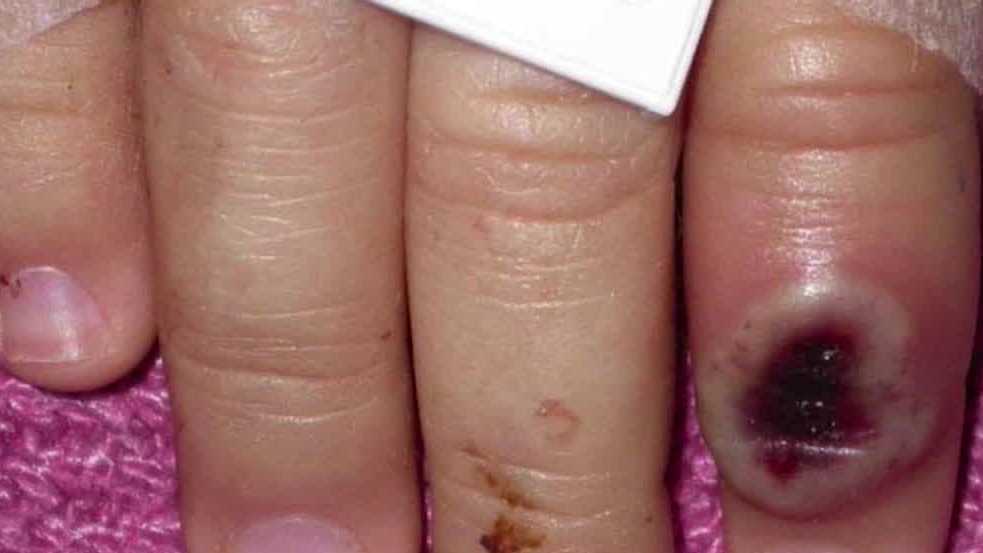
Monkeypox may look like a sexually transmitted infection that causes rashes. State health officials encourage taking precautions by talking to your sexual partners to avoid the spread of the virus.
Monkeypox can be spread through:
- Direct skin-skin contact with rash lesions
- Sexual/intimate contact, including kissing
- Living in a house and sharing a bed with someone
- Sharing towels or unwashed clothing
Respiratory secretions through prolonged face-to-face interactions (the type that mainly happens when living with someone or caring for someone who has monkeypox)
Monkeypox is NOT spread through:
- Casual conversations
- Walking by someone with monkeypox, like in a grocery store
- Touching items like doorknobs
CDPH is also raising awareness and doing outreach through community-based organizations and digital media platforms, including dating apps, to help reach high-risk communities.
John Fout, a Yolo County spokesperson, told KCRA 3 that they have a limited supply of the monkeypox vaccine for contacts of infected persons but haven’t recorded any cases.
Scientists are still learning if monkeypox can be spread through:
- Semen or vaginal fluids
- Contact with people who have no symptoms (CDPH believes that people with symptoms are most likely to spread it, but some people may have very mild illness and not know that they are infected)